How I Turned My Dyslexia into a Superpower
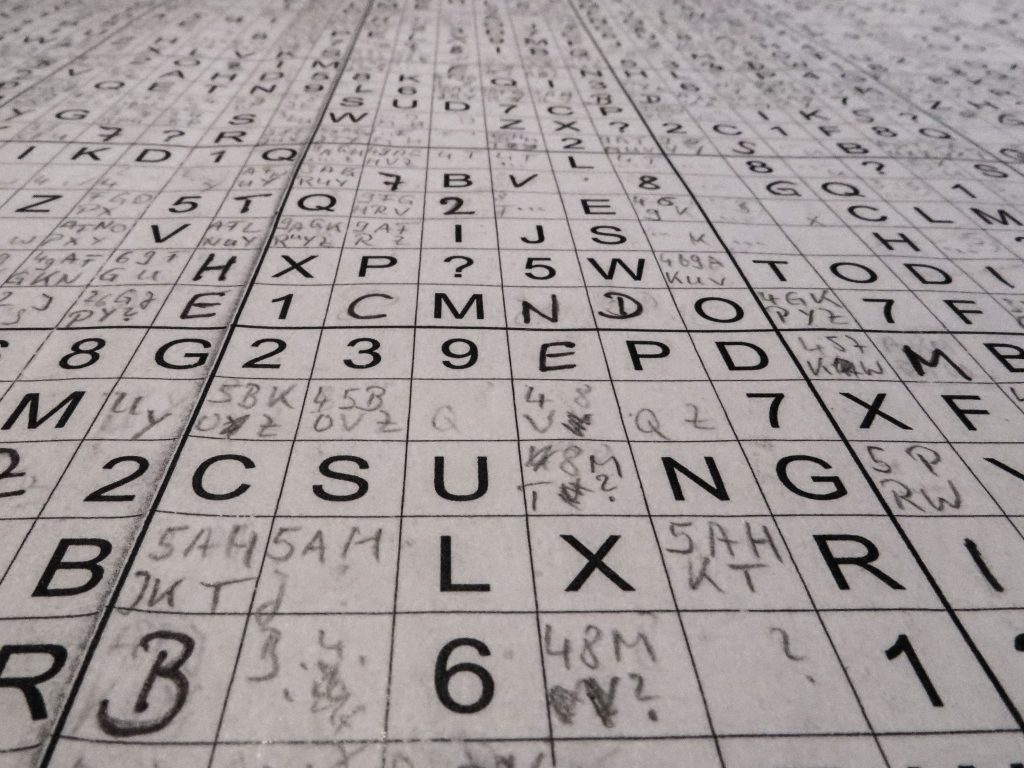
I’ve always learned differently. Growing up, I was the kid who was bored to death in my academic classes. I attended a nice private preparatory school, but I would sleep through lectures, keep my head down, and just do the bare minimum to get by with As and Bs. Reading was slow, spelling was a nightmare, and I had a tendency to mix up numbers and letters. I was never considered “smart” or placed in honors classes.
No one ever used the word “dyslexia.” It was just assumed I wasn’t as academically inclined as some of my peers.
It wasn’t until my freshman writing class in college that a graduate student pulled me aside. “Are you getting support for your dyslexia?” she asked. “It’s pretty clear from your writing.” It was the first time anyone had ever named it. I was floored. No one had ever diagnosed me, but her question unlocked a lifetime of struggles and coping mechanisms I had built without even knowing why.
I’ve written more about this in Team Disconnected? Try This.
Table of Contents
The Shame and the Struggle
The core feeling I associate with dyslexia from my childhood is embarrassment and shame. I remember being in third grade and crying during spelling tests because it was just so hard for me. The words wouldn’t stick. I never received any formal support; I just learned to “white-knuckle” my way through it.
That experience taught me to find workarounds. To survive, I had to figure out how to hack the system. I’ve always been good at games, so I started treating school like one. I got good at guessing what would be on tests, figuring out the minimum I needed to study to pass. I taught myself to speed-read, not by reading every word, but by absorbing the core ideas and concepts behind them. In theatre, I couldn’t memorize lines by reading them over and over, so I recorded other people saying their lines and listened to the tapes to learn my own.
These were all survival tactics born out of necessity. They helped me get through school and even gain admission to NYU, but the underlying feeling of being “less than” or “not smart enough” was always present.
Turning Weakness into Strength
The irony is that the very thing that made school so difficult is what has made me successful in my career. Being dyslexic-ish forced me to develop a different kind of intelligence.
The workarounds I created became my superpowers:
- Gamifying Everything: Because I couldn’t rely on rote memorization, I had to understand the systems behind things. I learned to see patterns, understand mechanics, and figure out how to leverage them. This is the core of gamification, and it became the foundation for my work with cityHUNT and everything I’ve done since.
- Visual and Spatial Skills: While the written word was a challenge, I’ve always had a strong sense of direction and been good with landmarks. It’s no accident that I run a scavenger hunt company. My brain is wired to think spatially, a skill that is incredibly valuable in designing real-world experiences.
- Creative Problem-Solving: I learned to adapt. I taught myself to practice, to find unconventional solutions, and to not be defined by what I couldn’t do. I decided I was going to get good at reading and writing, not by being perfect, but by putting in the time and finding my own methods.
Leveraging Modern Tools
Today, the shame is gone, replaced by an understanding of how my brain works. The world has also caught up. We now have incredible tools that can help level the playing field for people with dyslexia:
- Speechify: This app has been a game-changer. It reads my own writing back to me in my own AI-cloned voice. It’s a little weird, but incredibly effective. I can hear the skipped words or confusing sentences that my brain visually skips over.
- Grammarly and AI: Tools like Grammarly and built-in AI have become my safety net. They clean up my emails and texts, catching the spelling errors that still pop up. It removes the embarrassment and allows me to communicate quickly and professionally.
- Audio Learning: I’ve always learned better by listening. With podcasts, audiobooks, and tools that read text aloud, I can absorb information and learn at a pace that works for me.
Conclusion
If you’re dealing with dyslexia or suspect your child might be, my advice is this:
Don’t let it define you, but don’t ignore it either. The shame I felt came from a lack of understanding. Acknowledging that you learn differently is the first step toward finding your unique strengths.
For parents, if you see the signs, get support for your children. The resources available today are incredible and can make all the difference. My own kids have had learning differences, and we’ve been able to get them the help they need, something I wish I’d had.
Embrace the tools that are available. Technology is a powerful equalizer. Use it to work around your challenges so you can focus on your talents.
Most importantly, recognize that learning differently isn’t a deficit; it’s a different way of processing the world. And in that difference lies your unique superpower. For me, it was the ability to see systems, to think spatially, and to solve problems creatively. I didn’t get here in spite of my dyslexia; in many ways, I got here because of it.