Here's a wild fact from Olympic psychology: bronze medalists are often happier than silver medalists.
Multiple studies over thirty years have proven that coming in third feels better than coming in second, even though second place is objectively better.
At cityHUNT, we've known this instinctively for over 24 years. That's why we don't just celebrate first place. We celebrate last place too. And the science behind Olympic medal satisfaction explains exactly why this approach creates better team building experiences.
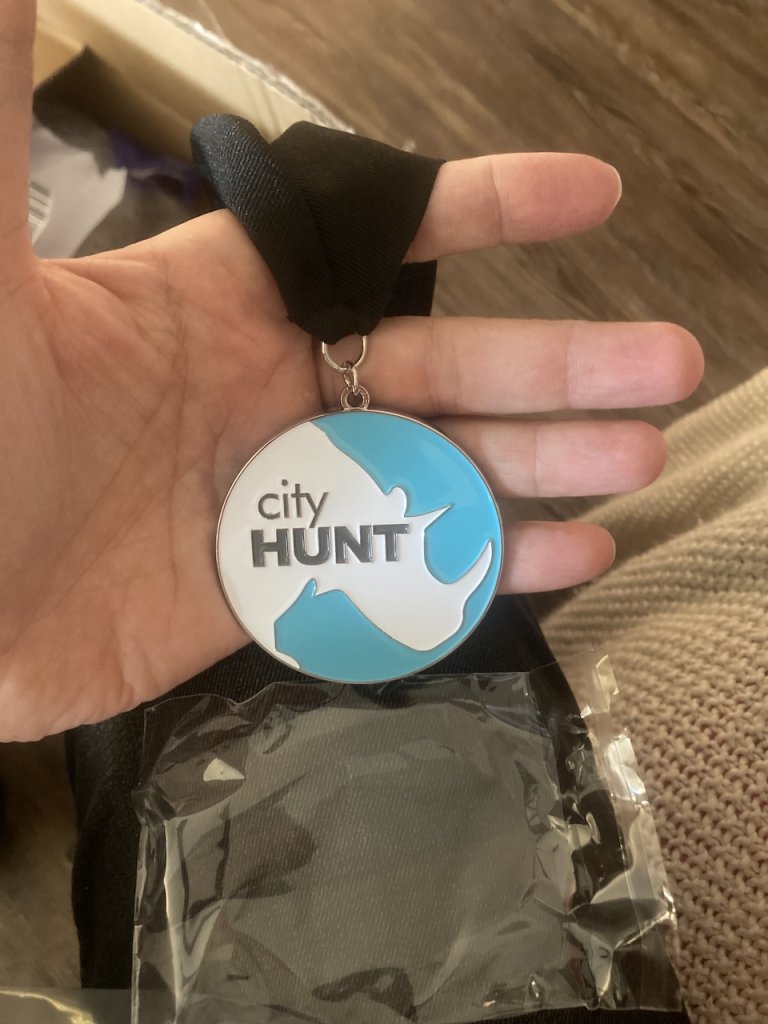
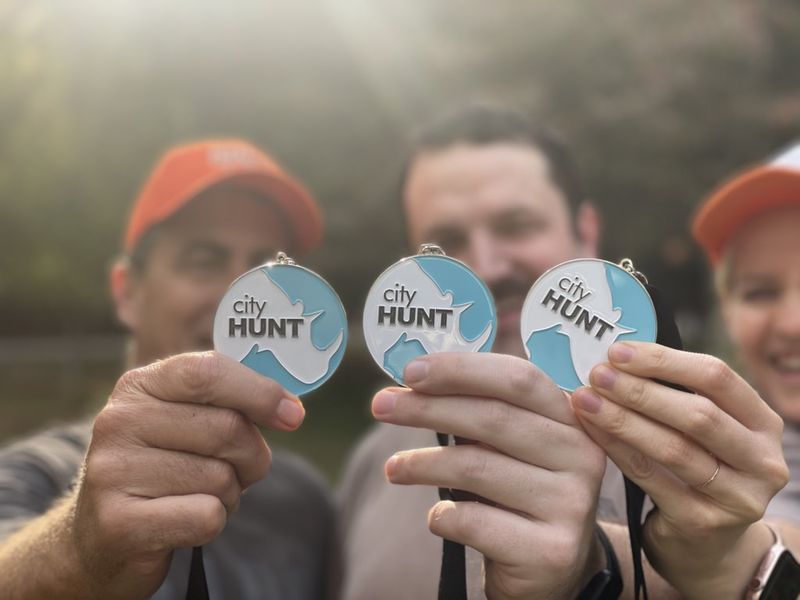
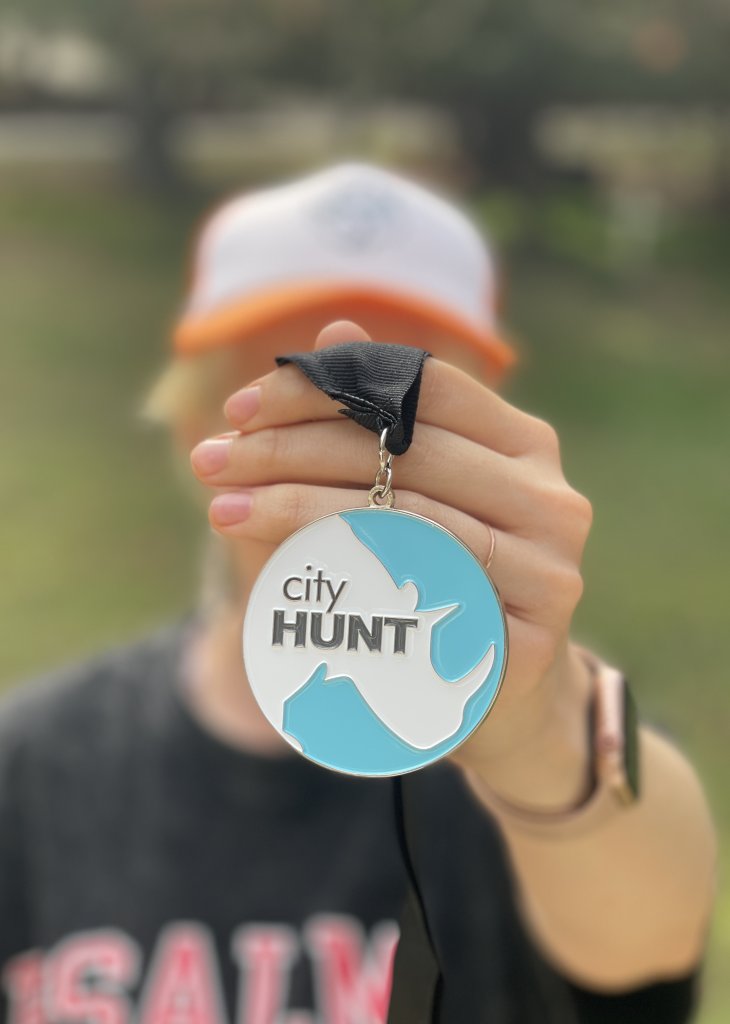
Medals given out by cityHUNT
The Research
The original study examined winners from the 1992 Olympics and found that silver medalists were less satisfied than bronze medalists, despite their objectively better finish.
A follow-up study twenty years later confirmed these results and dug deeper into why. Silver medalists tend to have higher expectations, which amplifies disappointment when they don't get gold. They're thinking "I almost won!" Bronze medalists have lower expectations or different comparisons, so they feel like "At least I got a medal!"
Even a 2021 study using AI to analyze facial expressions of athletes on the podium found the same pattern. Bronze medalists displayed more genuine happiness than silver medalists.
The takeaway? It all comes down to expectations and perspective. How you frame an outcome matters more than the objective result.
Expectations Matter
This bronze medal effect reveals something crucial about human psychology: our happiness depends less on what happens and more on what we expected to happen.
When something goes really well, we should remind ourselves that the outcome wasn't guaranteed. Much of success comes down to chance and circumstance, not just effort.
You can (and should) celebrate when things go well. Life is hard, so take joy in the good things. But holding wins loosely helps you feel less crushed when something goes wrong. Those things could have gone another way too.
The problem comes when we EXPECT things. We expect to win. We expect to be treated a certain way. We expect recognition. When reality doesn't match expectations, disappointment hits hard.
Solution? Lower your expectations or change your comparison point. Be happy with any positive outcome at all.
Winning
cityHUNT Approach
At cityHUNT, we've built our prizing strategy around this psychology, even before we knew the research existed.
We celebrate first place, of course. Winning feels great, and teams that crush the competition deserve recognition. But we also make a big deal about last place.
Why? Because when you prize last place, you completely reframe the experience:
No fear of failure - Teams can take risks, be silly, and focus on fun instead of stressing about performance
Everyone wins something - Whether you finish first or last, you get celebrated, which keeps energy high throughout the event
Laughter over pressure - Last place becomes a badge of honor rather than shame, creating inside jokes and team bonding
Focus on experience - When winning isn't the only goal, teams pay more attention to connection and enjoyment
This approach aligns perfectly with our three pillars: playfulness, connection, and flow. When you remove the pressure of needing to win, teams can actually play.
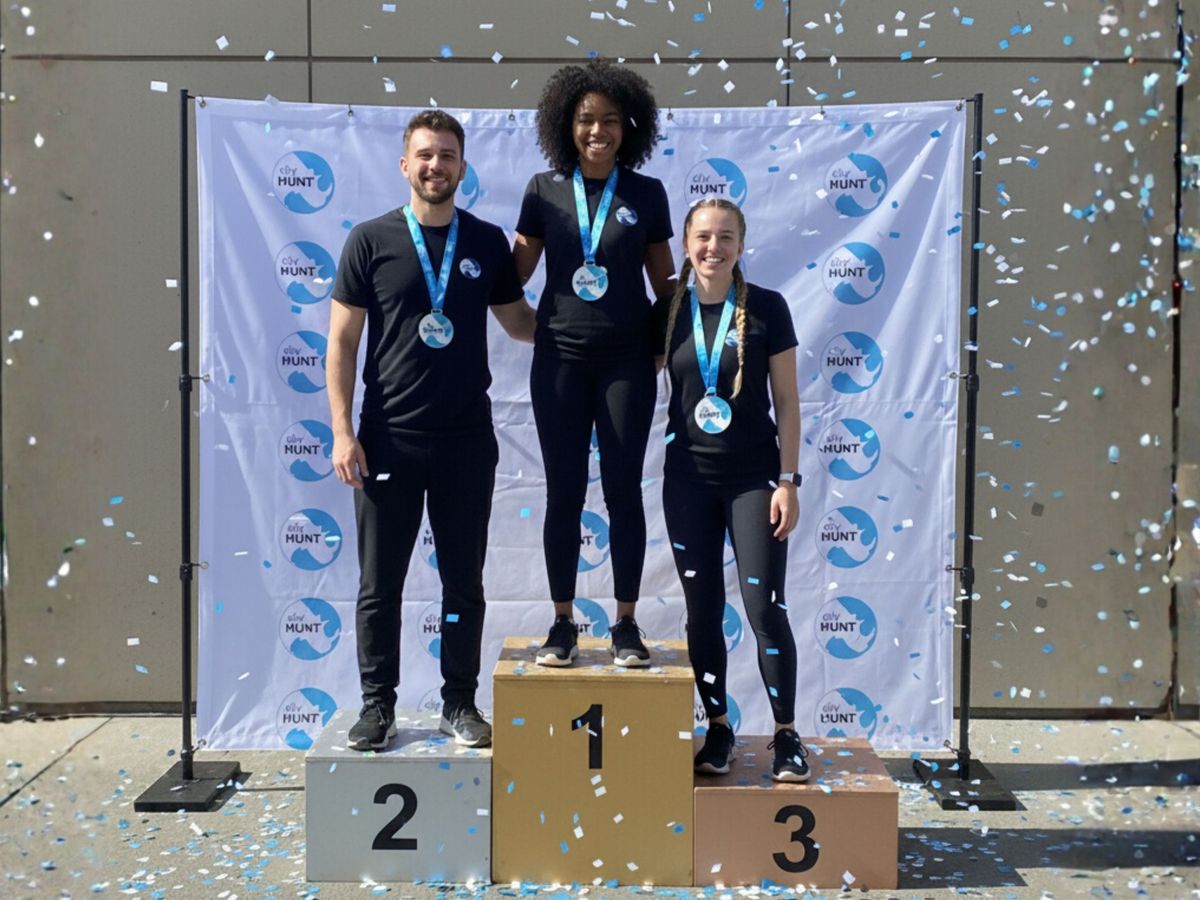
Winners
Psychology Works
The bronze medal effect teaches us that comparison is the thief of joy. Silver medalists are miserable because they're comparing themselves to gold. Bronze medalists are happy because they're comparing themselves to fourth place (no medal at all).
At cityHUNT events, we eliminate toxic comparison by celebrating multiple outcomes. First place gets the glory. Last place gets the laughs. Everyone in between had an adventure.
This creates what psychologists call "positive framing." Instead of thinking "We didn't win," teams think "We had the most fun" or "We made the funniest video" or "We're legends for coming in last."
The lasting memory isn't about winning or losing. It's about the experience itself - the challenges you conquered, the strangers you sang to, the moments your team couldn't stop laughing.
Team Building
Traditional team building often creates unnecessary pressure. When there's only one winner, most participants leave feeling like they lost. That's terrible psychology for building workplace culture.
cityHUNT's approach recognizes that the goal isn't to crown champions. The goal is to create shared experiences that bond teams together. And you know what bonds people? Shared laughter, especially when things go hilariously wrong.
Our team building experiences are designed so that "losing" can be just as memorable as winning. Sometimes the teams that come in last have the best stories to tell back at the office.
We've seen it hundreds of times: the team that placed last becomes office legends because of their ridiculous photo submissions or their willingness to fully commit to silly challenges. That's worth more than a trophy.
Flow State
When you remove the pressure to win, something magical happens - teams enter flow state more easily.
Flow occurs when people engage in activities that are challenging enough to be interesting but not so stressful that they become frustrating. Fear of losing creates stress that blocks flow.
By celebrating last place, we signal to participants: "The outcome doesn't really matter. The experience is what counts." This permission to not take things seriously actually helps teams perform better and enjoy themselves more.
It's the same principle as the bronze medal effect. When your expectations shift from "We must win" to "Let's have fun," the pressure evaporates and genuine enjoyment takes over.
Medal
Real Impact
This isn't just theory. We've watched this play out over 24 years and thousands of events.
Teams that embrace playfulness and stop worrying about placement consistently have better experiences. They bond more deeply. They laugh more. They take creative risks. And ironically, they often perform better than teams that are desperately trying to win.
The teams that place last often become the most talked-about teams afterward. Their photos get shared more. Their stories get retold more. They become part of company culture in ways that winning teams sometimes don't.
That's the power of reframing outcomes and managing expectations.
Takeaway
Olympic research proves what cityHUNT has practiced for decades: how you feel about an outcome depends more on your expectations than the actual result.
Silver medalists are miserable despite coming in second because they expected gold. Bronze medalists are thrilled despite coming in third because they're grateful for any medal at all.
At cityHUNT, we've designed our events around this psychology. By celebrating both first and last place, we help teams focus on what really matters - connection, laughter, and shared adventure.
Conclusion
The bronze medal effect reminds us that happiness isn't about winning - it's about perspective. When you expect less and celebrate more, every outcome can feel like a victory. This is why cityHUNT prizes last place alongside first place, creating team building experiences where everyone wins something.
Over 24 years, we've learned that the teams who laugh the hardest often finish last. And those teams? They're the ones who bond most deeply and create the best memories. That's worth more than any first-place trophy.